
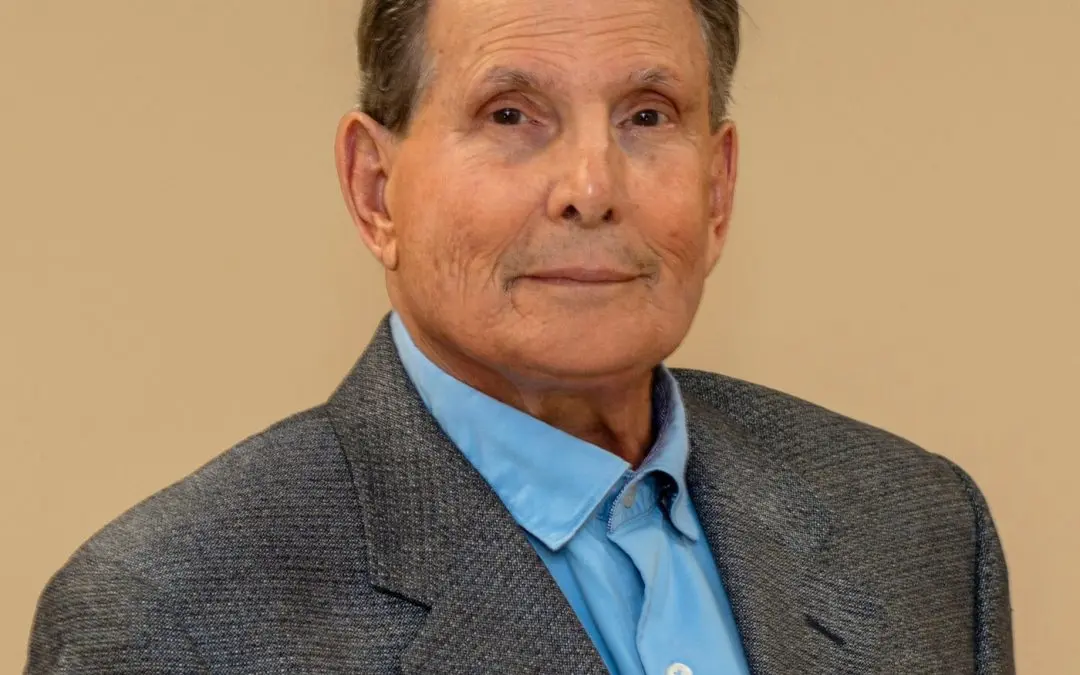
Sal Schibell, Tax Partner with Lawson, Rescinio, Schibell & Associates, is featured in the following article by Martin Daks on October 12 in NJBIZ.
State has eased requirements to address accountant shortages. Here’s what professionals say that may mean to the industry.
The basics:
- CPA candidates in NJ can now qualify with bachelor’s degree, two years of work experience
- Professionals say the change could reduce costs, attract more candidates
- Firms expect training, mentoring, professional development to remain essential
- AI skills, rising accounting enrollment could shape the profession’s future
The accounting profession is heading back to the future. For many years, certified public accountant candidates could qualify by earning a bachelor’s degree, completing two years of CPA firm-equivalent work experience and passing a rigorous national exam. But that changed in 2011 when New Jersey, along with many other states, hiked the educational requirement to 150 academic hours. It basically required a master’s degree, though the work experience was reduced to one year.
Earlier this year, though, facing a severe CPA shortage, New Jersey and many other states reversed track, reducing the educational requirement to a bachelor’s degree while expanding the work requirement to two years. So how is this move affecting the accounting profession?

“We could not be more pleased with Gov. [Phil] Murphy’s signing of the additional CPA pathway bill into law as well as the significant support from primary bill sponsors Assemblyman Sterley Stanley and Sen. Anthony Bucco and the entire New Jersey Legislature to help bring about necessary change to the pathway to becoming a CPA,” Aiysha (AJ) Johnson, CEO and executive director at the New Jersey Society of Certified Public Accountants (NJCPA), announced in January. “Accountants and CPAs help grow New Jersey’s economy by enriching the business landscape. Accounting enrollments are trending higher at various institutions, so this will cast a wider net of options for those individuals looking to become CPAs.”

Michael Cohen, managing director of the CBIZ Morristown office, said the added year of coursework created a real economic hurdle. “You’re asking a young person to pay for another year of education, a full year, full time, while also delaying by a year the opportunity to earn a full-time salary,” Cohen said.
That burden, Cohen noted, arrived just as firms began struggling to find talent. “To the extent that we’re serious about expanding the accounting talent pool, then we need to look at the obstacles that are preventing those talented people from entering the profession,” he asserted.
Cohen said the fifth year fell hardest on those with the thinnest financial cushions. He detailed how it “disproportionately discouraged students who didn’t have the financial flexibility to fund a fifth year of college.”
“We were harming ourselves in that regard, as an industry and a profession,” he added.
Will quality suffer?
Critics might worry that fewer credit hours will dilute the talent entering the field. Cohen isn’t among them.
He explained that accounting has always been, to a significant degree, an apprenticeship profession. Students learn fundamentals in the classroom, but the real development happens on the job, working alongside experienced professionals who review, coach and mentor.
“Adding 30 additional credit hours is almost never a substitute for fundamental practical experience working in your field of interest,” Cohen said.
He also noted that CPAs work across a wide range of settings, including audit, tax, government, nonprofit and internal corporate roles. No amount of classroom study, he said, could make someone an expert in every one of them, even at 150 credits, and few candidates take that many credits solely in accounting subjects.
Adding 30 additional credit hours is almost never a substitute for fundamental practical experience working in your field of interest.
– Michael Cohen, managing director, CBIZ Morristown office
“It becomes even more critical that more of that time is spent in an apprenticeship model, working under people who have experience in that industry to teach and train them,” Cohen said.
He doesn’t think the shift will force major changes at CBIZ. Cohen explained that all firms remain committed to developing talent, and that graduates with a bachelor’s in accounting already arrive with the foundation they need.
“I don’t anticipate any specific changes to the need for training,” Cohen said, adding that instruction will remain tailored to a new hire’s area, whether tax, audit, advisory or nonprofit.
The math adds up

Other CPAs appear to agree with the rule change. “I was hoping New Jersey would make this change,” declared Gail Rosen, a partner at RRBB Advisors LLC. “The profession is facing a shortage, and the requirement of 150 credit hours added expense and time that may have discouraged qualified people from becoming CPAs. The cost of another year of school can be significant, especially when students are comparing accounting with other professions that allow them to begin working sooner.”
She said CPAs learn the most “through practical experience, mentoring and studying for the CPA exam. A bachelor’s degree, two years of relevant work experience and successfully passing the CPA exam are a strong entry into the profession. I believe this change will attract more candidates by making that route more practical and affordable without dropping the standards.”
I was hoping New Jersey would make this change.
– Gail Rosen, partner, RRBB Advisors LLC
But will the cutback in credits spur a quality drop for incoming candidates? “I don’t believe the move from 120 to 150 credit hours made a meaningful difference in the quality of graduates,” Rosen said. “The additional 30 credits did not necessarily have to be in accounting or another area related to the profession, so having more credits did not automatically make someone better prepared to become a CPA.”
Rosen added that, “Candidates will still need to complete a bachelor’s degree, gain two years of relevant experience and pass a demanding national exam.”
And she doesn’t think that RRBB will need to change its training program. “Every new professional requires training, supervision and practical experience, regardless of whether that person completed 120 or 150 credit hours,” Rosen explained. “Our training is designed to help employees apply what they learned in school to actual client situations and develop professionally over time. We will continue to monitor the results of the change and adjust our training if we see a need, but I do not expect the number of college credits to determine how much training an employee requires.”
When it’s NOT about the numbers

The additional cost and time that had been required to earn 150 credits “can discourage students from pursuing the CPA designation, particularly when they can enter other business professions with a bachelor’s degree,” noted Lawson, Rescinio, Schibell & Associates PC Tax Partner Salvator Schibell. “Providing another pathway removes that barrier while maintaining the standards expected of a CPA. Candidates still must pass a demanding exam, gain meaningful work experience, and demonstrate they can perform at a high professional level.”
He also suggests that credit hours alone do not necessarily make a good CPA. “I have always believed what students study matters more than the number of credits on their transcripts,” detailed Schibell. “Earning an additional 30 credits alone does not necessarily determine how well someone will perform as a CPA. Accounting, tax, and auditing provide an essential technical foundation, but success in the profession requires a broader understanding of business, economics, finance and financial management. A CPA who understands both the numbers and how a business operates is better equipped to help clients make informed decisions.”
I have always believed what students study matters more than the number of credits on their transcripts.
– Salvator Schibell, tax partner, Lawson, Rescinio, Schibell & Associates PC
And AI adds another dimension. “CPAs need to know how to use AI as a tool to make the data in a client’s financial statements more meaningful,” he explained. “AI can analyze data and identify trends, but it takes a CPA’s business knowledge, professional judgment, and understanding of the client to recognize what really matters.”
Fundamentals remain unchanged

The important thing is, the new rules do not change “the foundational requirements of the profession like earning a college degree, gaining relevant experience, and passing the CPA Exam,” observed Paula Ferreira, Forvis Mazars US New York Metro Area assistant managing partner – New Jersey market leader.
She’s hopeful that “we will see more young people considering a career in accounting given the greater flexibility that additional pathways into the profession provide. There are many factors to consider when choosing a career, including cost, advancement opportunities, compensation and the nature of the work itself. But expanding access to the profession is a positive step that could encourage more prospective accountants to view the CPA credential as both rigorous and attainable, helping strengthen the talent pipeline while preserving the high standards that define the profession. Ultimately, that benefits not only the accounting profession, but also the businesses, communities and markets that rely on CPAs’ expertise.”
Her firm’s “fundamental training philosophy remains unchanged,” Ferreira added. “Forvis Mazars continues to prioritize technical training, coaching, mentorship and professional development throughout our people’s careers. That commitment is essential to developing future leaders who will become long-term stewards of the firm, serve our clients with excellence, and supporting the overall success of our firm.”
The CPA talent pool may also be expanding. “It’s worth noting that accounting enrollment at four-year undergraduate programs nationwide rose 8.9% in spring 2026, the third consecutive year-over-year increase,” detailed Ferreira. “That growth outpaced the growth of business-related fields overall, according to the AICPA and … data from the National Student Clearinghouse Research Center. I think this reflects efforts across the profession to recruit more young people and tell a more engaging story about the professional and financial rewards of a career in accounting.”
The bar didn’t drop, but the toll booth did. Now, CPA firms that worried about the shortage have to show they can keep the people they asked for.
NJBIZ// //October 12, 2026