“You spent a lifetime saving for retirement— now the goal is making sure those savings last as long as you do.”
Sal Schibell.CPA, CFP®, MBA, MS Taxation – Tax Partner
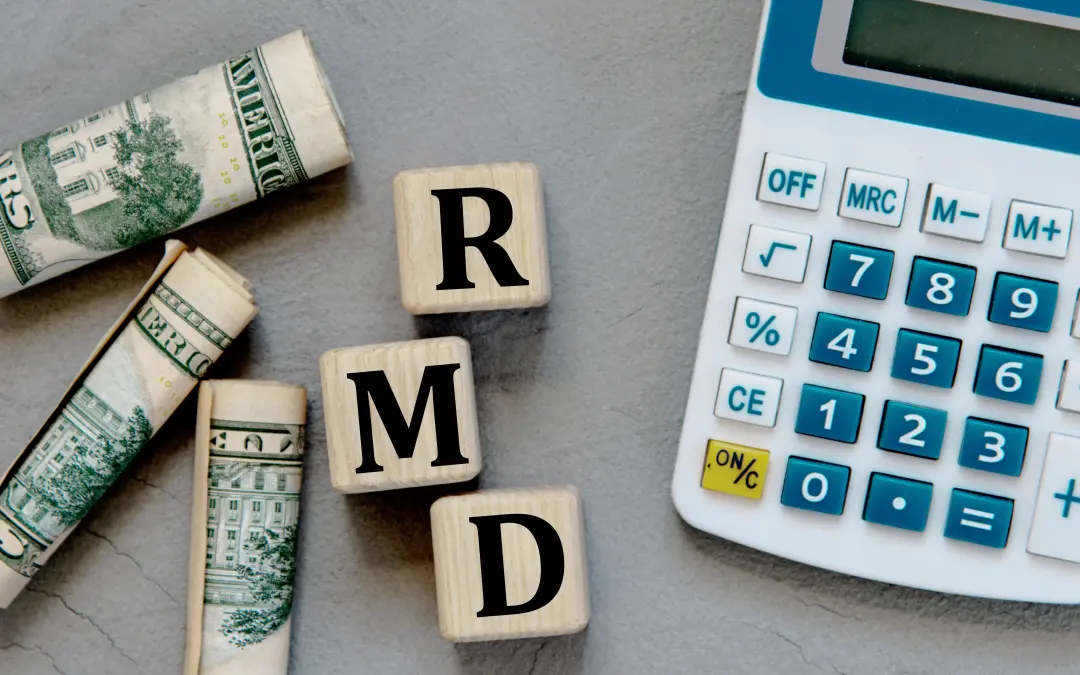
Required Minimum Distributions, or RMDs, might not sound like a major financial event, but once you reach your 70s, they become a central part of your income strategy. These required withdrawals determine how much money leaves your retirement accounts each year—and how much goes to taxes.
The key to managing RMDs is knowing the rules and planning ahead. With recent updates to retirement law, retirees now have greater flexibility and the opportunity to control their financial futures.
When RMDs Begin
The IRS requires you to begin taking distributions from most tax-deferred retirement accounts once you hit a certain age. Depending on your birth year, the start age now ranges from 70½ to 75:
- Born before July 1, 1949 → age 70½
- Born July 1, 1949–December 31, 1950 → age 72
- Born 1951–1959 → age 73
- Born 1960 or later → age 75
Your first RMD must be taken by April 1 of the following year, but there’s a catch: delaying means you’ll take two withdrawals that same year, one in April and one by December 31—which could increase your taxable income.
If you’re still working, you might also be able to delay RMDs from your current employer’s 401(k)—unless you own more than 5% of the company or your plan specifies otherwise.
Calculating Your RMD
The IRS uses your account balance as of December 31 from the previous year and divides it by your life expectancy factor. The result is your minimum withdrawal amount. You can always take more, but not less.
If you have multiple IRAs, you can calculate your total RMD and take it from any one—or across several—accounts. However, 401(k)s and 457(b)s each require separate withdrawals.
A Break for Roth Savers
Starting in 2024, Roth 401(k) owners no longer have to take RMDs, aligning them with Roth IRAs. That’s good news for retirees who want their savings to keep growing tax-free without forced withdrawals.
How RMDs Affect Taxes and Medicare
RMDs count as ordinary income, which means they can influence your tax bracket and even affect your Medicare premiums. Higher income levels can trigger additional charges known as Income-Related
Monthly Adjustment Amounts (IRMAAs) for Medicare Parts B and D.
One powerful strategy to offset the impact is a Qualified Charitable Distribution (QCD). You can give up to $105,000 directly from your IRA to a qualified charity. That donation counts toward your RMD but isn’t included in your taxable income—helping reduce both taxes and potential Medicare surcharges. Even if you don’t itemize deductions, a QCD can help you give back and save.
For Inherited IRAs
If you inherit an IRA from someone other than your spouse, the SECURE Act changed the game. Most non-spouse beneficiaries must now withdraw the full balance within 10 years of the original owner’s death.
Exceptions apply for spouses, minor children, individuals with disabilities, and those close in age to the account owner.
The IRS paused enforcement for 2021–2024, but RMDs for inherited IRAs resume in 2025. Planning ahead, especially if you expect your income or tax rate to rise, can make a big difference in how much you ultimately keep.
Avoiding Penalties
Missing an RMD can be costly. The penalty is 25% of the amount you should have taken, though it drops to 10% if corrected quickly. Even with this reduction, overlooking an RMD is an expensive mistake that’s easy to avoid with proper planning and reminders.
Plan with Purpose
RMDs are more than just an IRS requirement; they’re a tool. The right strategy helps you control your tax exposure, manage healthcare costs, and stretch your savings further.
Working with your tax advisor each year can help ensure you’re taking the right amount, at the right time, for the right reasons. Retirement planning doesn’t stop once you start withdrawing—it just shifts focus from accumulation to preservation.
Sal’s Thoughts
“I see too many retirees treat RMDs as just another box to check, when in reality, they’re a strategic opportunity. With the right timing and coordination, you can reduce taxes, protect your Medicare premiums, and make your money last longer. It’s about being proactive, not reactive.”
RMDs may be mandatory, but how you manage them is entirely up to you. By taking control—through smart timing, charitable giving, and annual planning—you can turn an obligation into an opportunity. The goal isn’t just to comply with the rules; it’s to make every dollar you’ve earned continue working for you in retirement.
Have Questions?
Lawson, Rescinio, Schibell & Associates has decades of experience helping business owners align strategy, tax planning, and retirement goals. Contact us today at (732) 531-8000 to start building your future.